Published : 2026-04-01
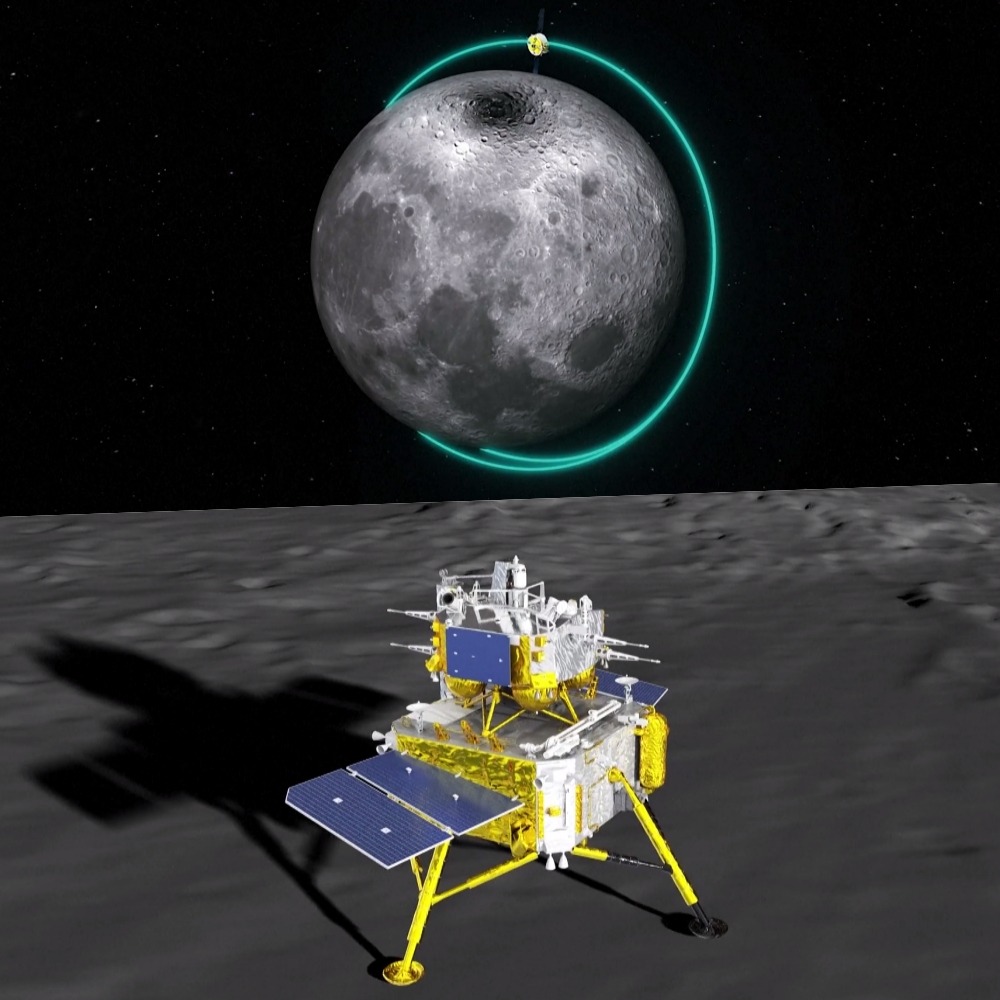
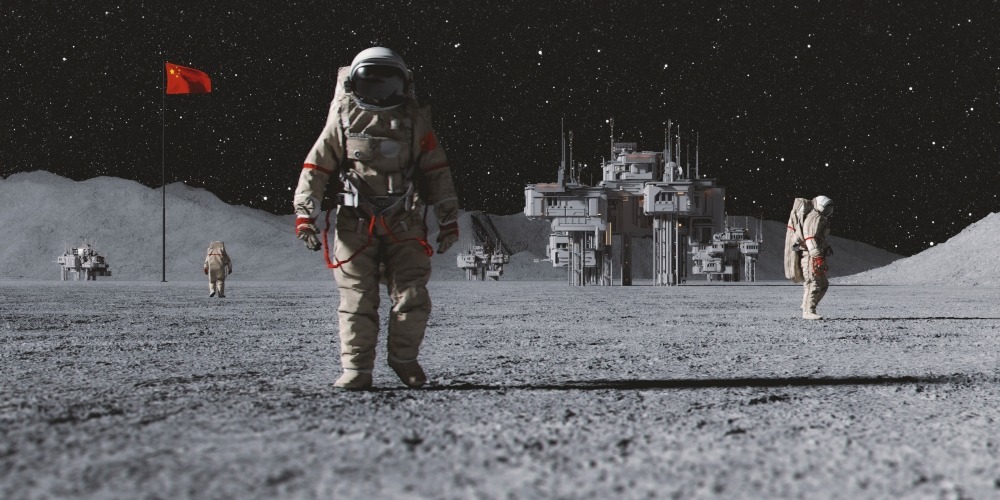
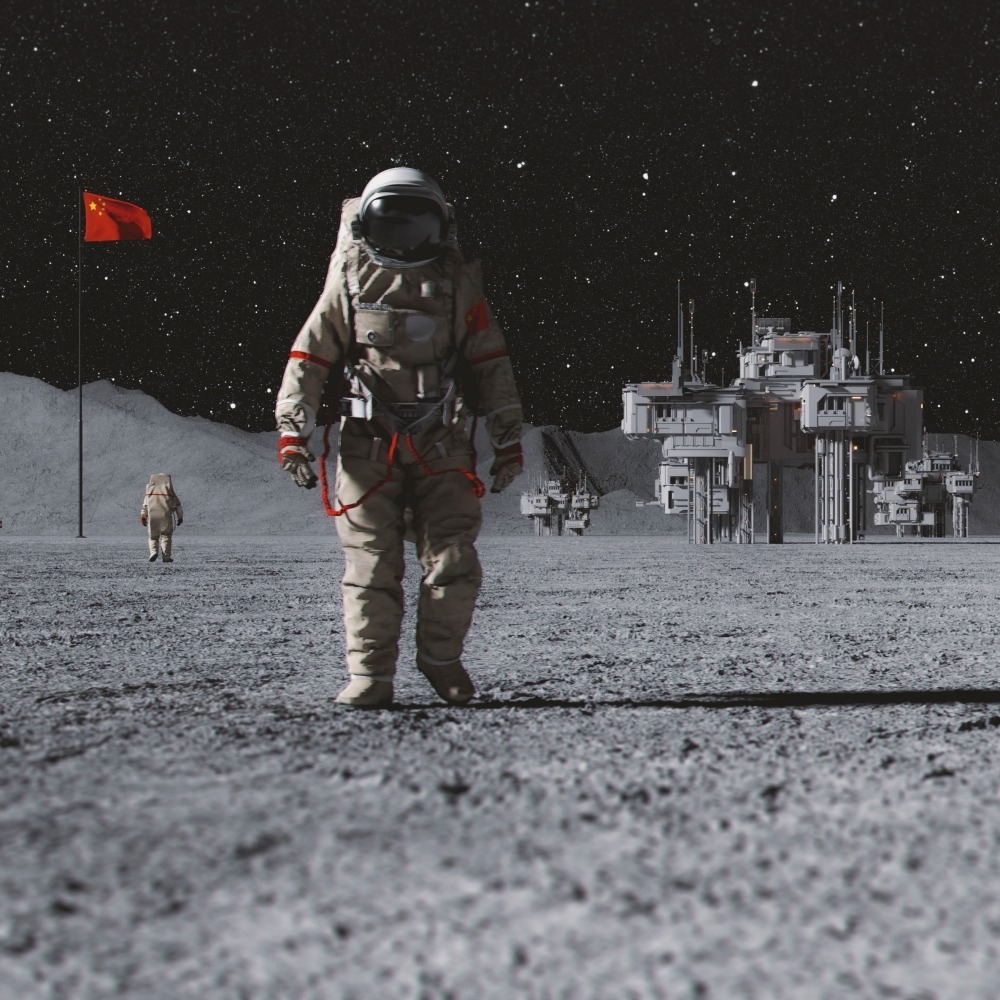
China's space programme has set its sights on achieving a manned lunar landing before 2030, and the plan to build a lunar base is also moving forward.
The focus of space enthusiasts now is what materials will China use to build this base. At present, one of the mainstream proposals is to directly dig soil on the Moon and burn it into bricks.
Harsh lunar environment and high difficulty
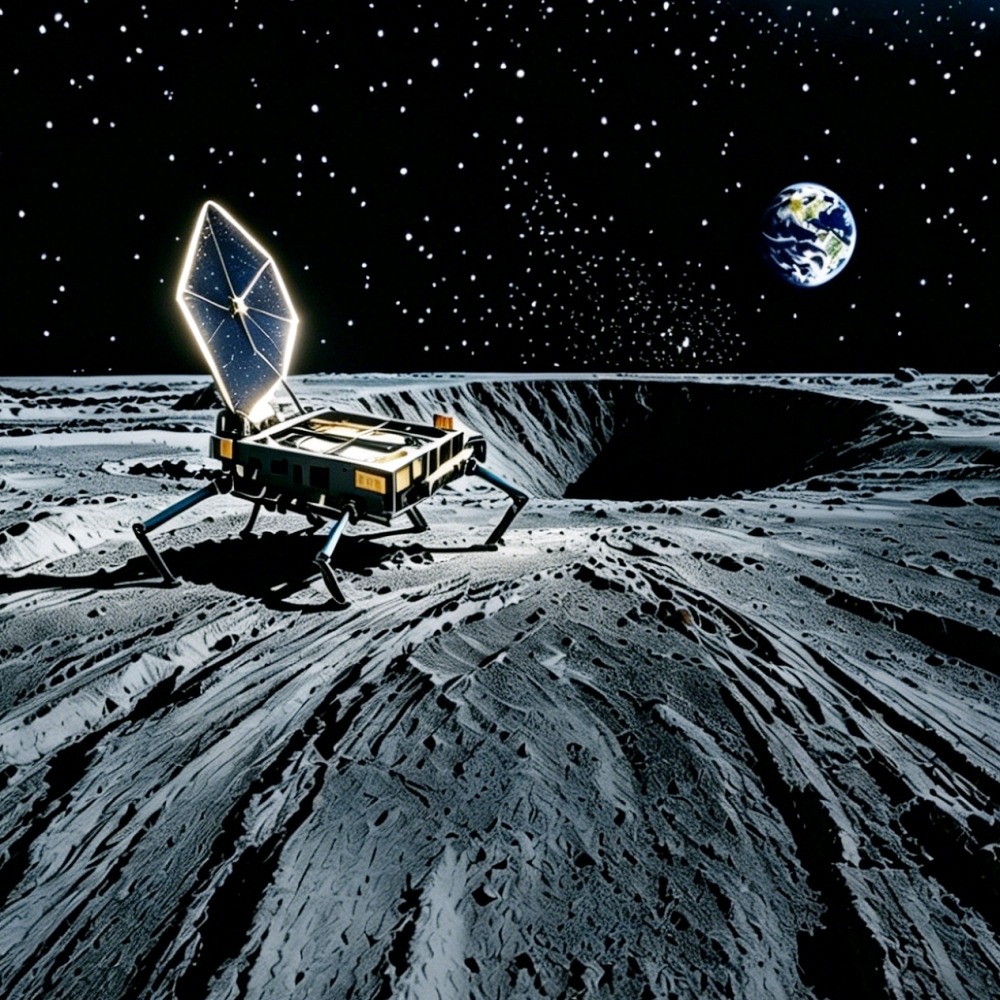
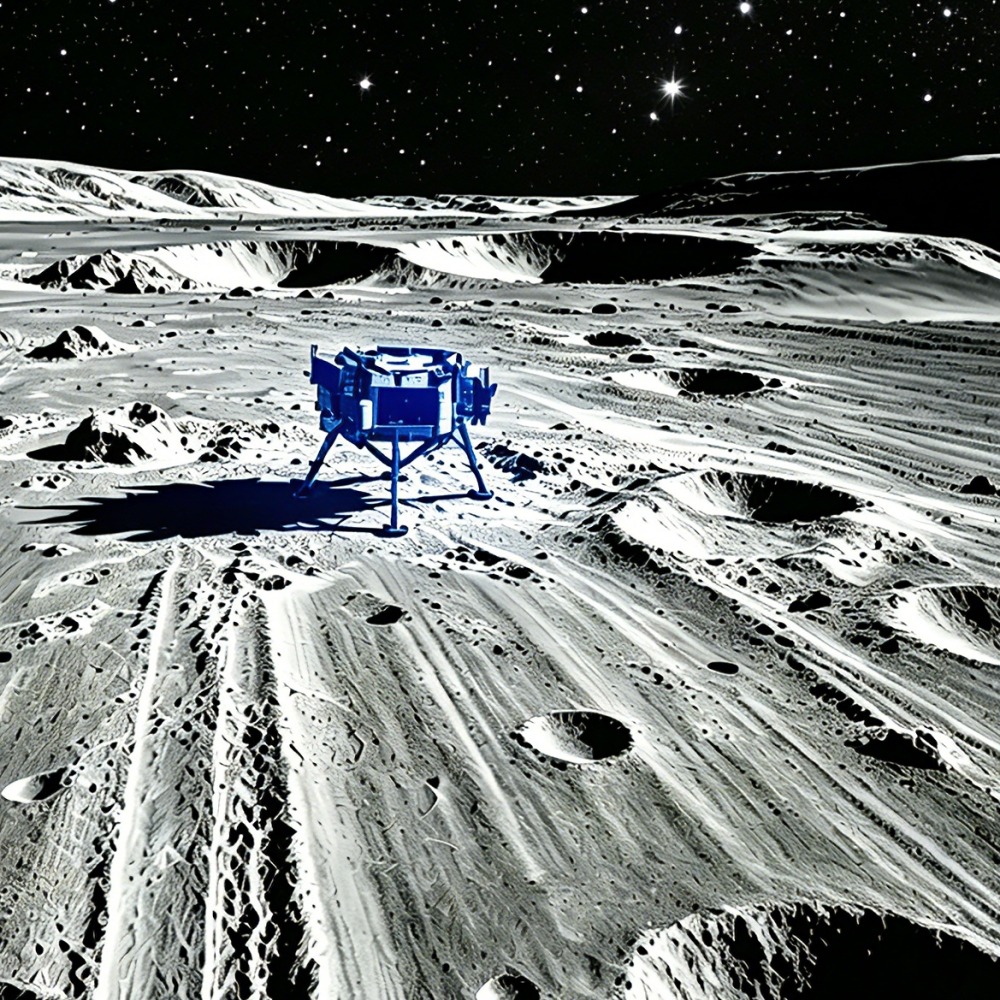
The first reason why the construction of a lunar base is drawing attention is that the conditions on the lunar surface are much more complex and harsh than on Earth.
The Moon's gravity is only 1/6 of Earth's, it is a high vacuum with almost no atmosphere, so the lunar surface is exposed to strong cosmic radiation and is also subject to meteorite impacts.
The temperature differences on the lunar surface are also extreme. Temperatures in areas exposed to the sun during the day exceeding 120 degrees, while dropping to below -180 degrees at night.
In addition, the Moon also frequently experiences 'moonquakes'. Although moonquakes are less frequent and weaker than earthquakes on Earth, their duration is longer.
In this environment, the requirements for building a structure that is strong and safe enough for astronauts to live and work will be unprecedentedly high.
Local resources must be used

Another highly difficult problem is construction materials. If sent materials or prefabricated components from Earth to the Moon, the cost would be unbearable for any country.
It is known that with current technological capabilities, the reported cost to transport materials with the weight of a bottle of water to the Moon is 200,000 USD.
How can this be solved? The best method is to use in-situ resources. In layman's terms, this means using local materials as much as possible, directly using the Moon's soil (lunar soil), minerals and other resources to build houses.
Regarding the construction of a lunar base using local resources, relevant departments and several universities have already begun research. According to reports, there are currently two mainstream proposals.
One is to excavate soil and make bricks on the Moon, using lunar soil bricks to construct the base. And the second mainstream proposal is to directly 3D-print the buildings.
At the end of 2024, the lunar soil brick scheme is receiving a great deal of attention, because a lunar soil brick sample, developed by Huazhong University of Science and Technology in Wuhan, Hubei, will be sent to the Chinese space station by the Tianzhou-8 cargo spacecraft, to conduct an exposure experiment.
Lunar soil bricks sent to Tiangong for 3-year experimental testing
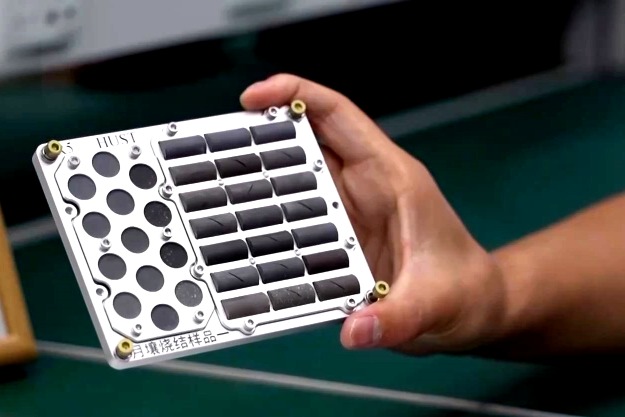
An exposure experiment refers to placing a sample outside a spacecraft, allowing it to be directly exposed to the vacuum and high-radiation environment, to test its changes.
The test items for the lunar soil brick include its mechanical and thermal properties, as well as whether it can withstand radiation. These are all crucial steps towards its practical application.
According to reports, the lunar soil brick exposure experiment will last for three years, during which one sample will be sent back to Earth for research and analysis every year, and the first sample will return to Earth at the end of 2025.
That said, how are the lunar soil bricks being sent to Tiangong made? What do they look like?
It turns out that these lunar soil bricks are made by researchers in a laboratory using simulated lunar soil. Although China's Chang'e probes have already brought back lunar soil samples, they are extremely precious.
So researchers, referencing the composition of lunar soil, have used volcanic ash, basalt, and other materials from Earth to simulate different types of lunar soil for firing bricks.
Mortise and tenon structure offer 3 times compressive strength
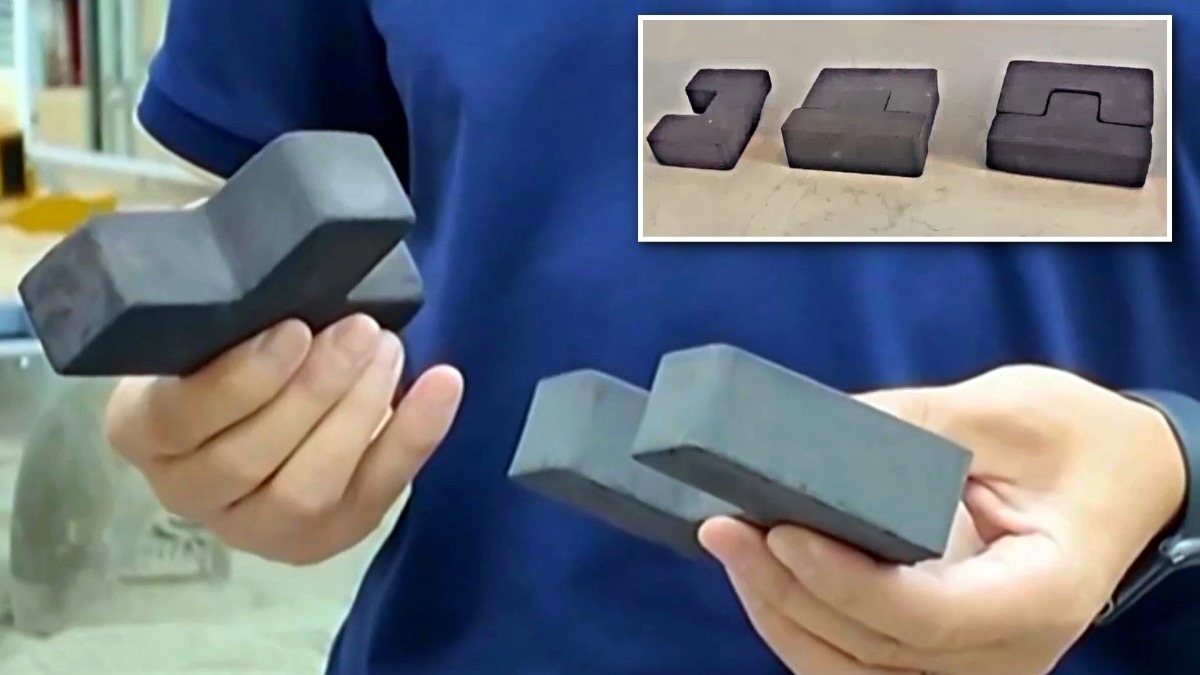
The firing method for lunar soil bricks is very different from that for bricks on Earth. Bricks on Earth are generally made by mixing clay with water and then sintering it, but lunar soil lacks water, so the particles cannot bond.
Therefore, the loose lunar soil must first be placed in a mould container, formed under high pressure, with no other additives required in the process, and then sintered at a high temperature of over 1,000 degrees Celsius using an electromagnetic induction furnace.
According to reports, although the density of lunar soil bricks is comparable to that of ordinary bricks on Earth, their compressive strength is more than 3 times that of ordinary bricks, which is equivalent to an area of 1 cm2 being able to bear a weight of more than 10 tonnes.
It is worth mentioning that the lunar soil bricks created by the researchers this time are different from the common block shape. They have a mortise-and-tenon structure, shaped like the two Chinese characters for concave (凹) and convex (凸), making it easier to assemble a lunar base.
Of course, when the construction of the lunar base enters the implementation phase, the processes of digging soil and burning bricks will be entirely carried out on the Moon, and the required energy will also be obtained through methods such as solar power.
Making bricks and constructing buildings with lunar soil bricks will be handled by robots, so astronauts landing on the Moon will not need to act as bricklayers themselves.
3D Printing create more complex designs
Another mainstream scheme for building a lunar base, mentioned earlier, is using 3D printing. This scheme was widely reported by the media a long time ago.
3D printing also requires digging soil on the Moon, then using lasers or microwaves for heating to fuse the grains in the lunar soil, or adding additives, to turn the lunar soil into a printing material, and then using robots to directly 3D print buildings.
Its most obvious advantage is the ability to create highly detailed and complex designs. Additionally, 3D printing can also print bricks, which can be used to build the base.
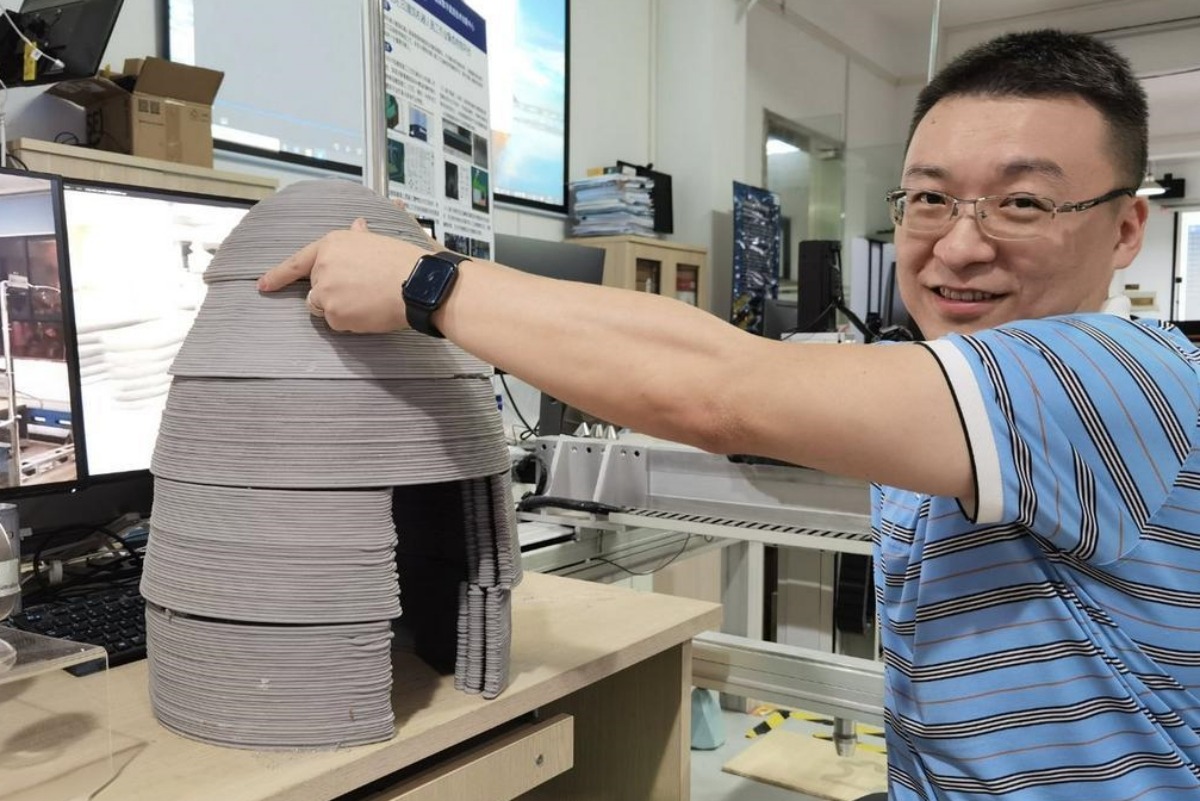
Researchers from the same Huazhong University of Science and Technology had also previously used simulated lunar soil in the laboratory to print an eggshell-like, oval-structured building model.
This prototype lunar house, which does not require load-bearing beams or columns, was named Yuehuzun.
China's manned Moon landing before 2030
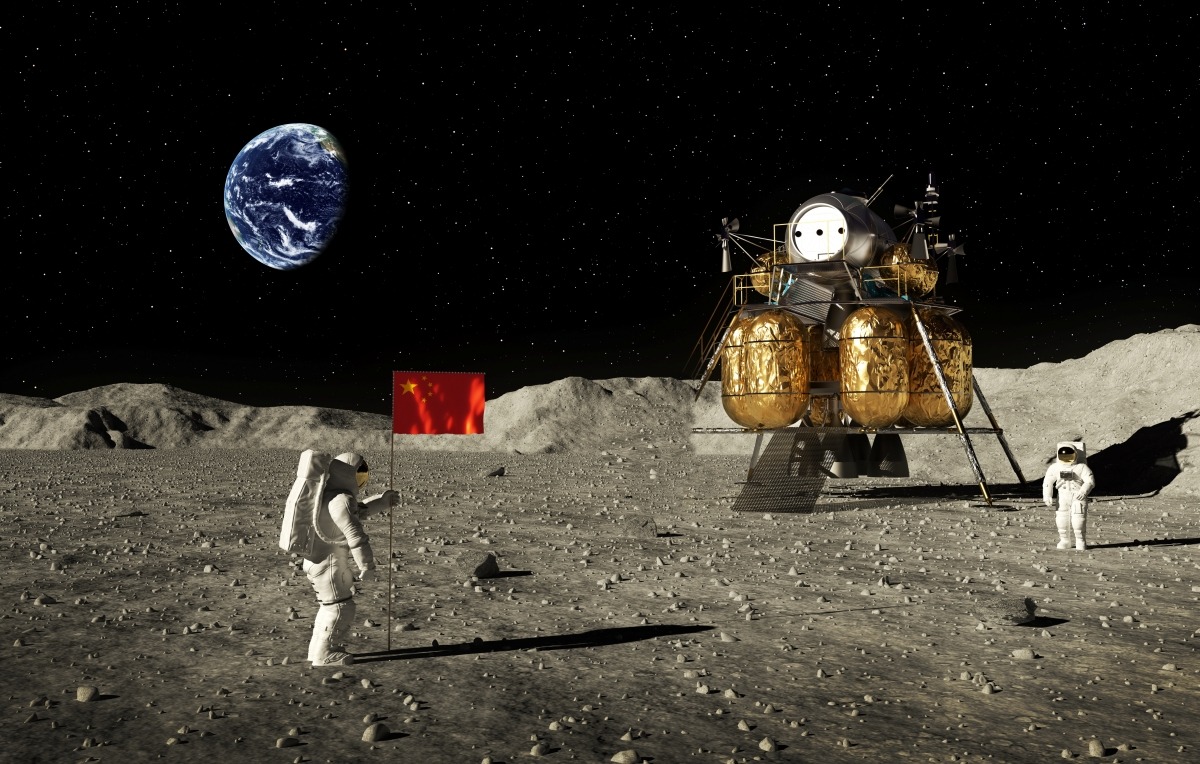
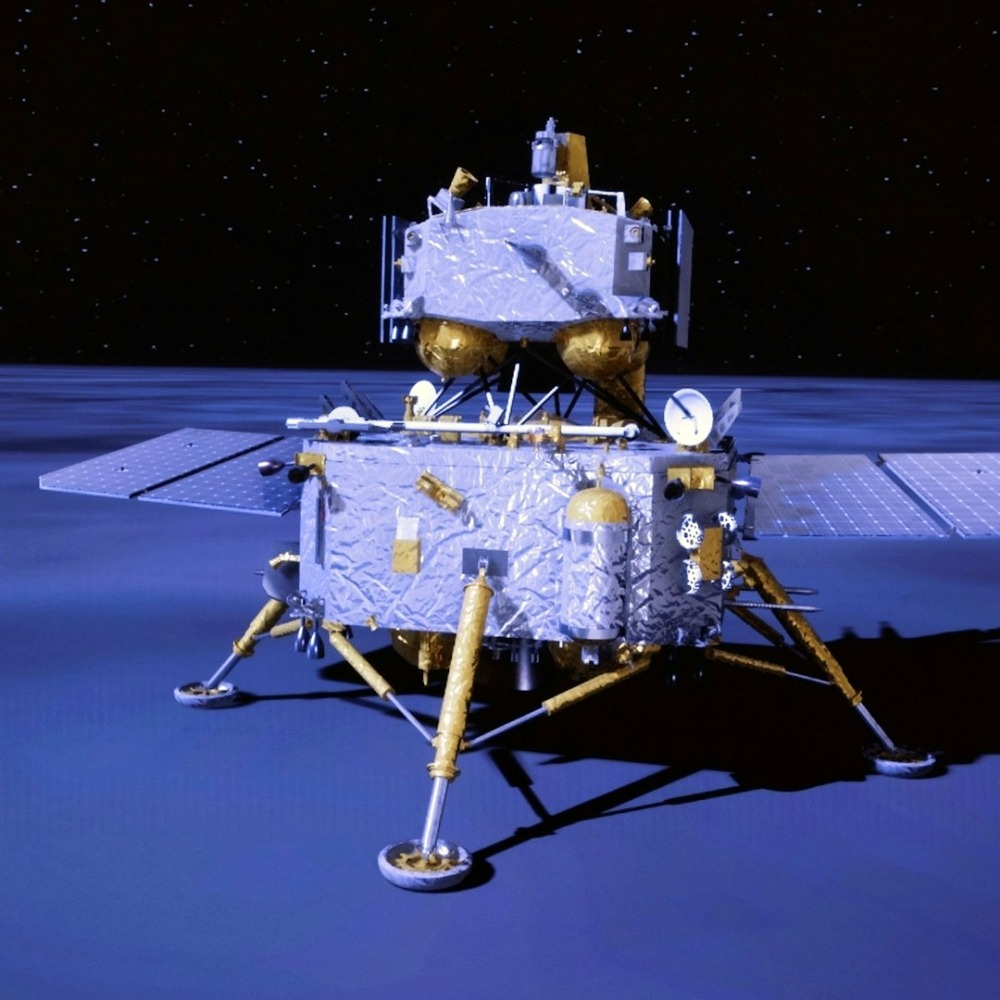
China will achieve a manned lunar landing before 2030, and Chang'e-7 and Chang'e-8, which are scheduled to be launched between 2026 and 2028, will respectively explore the environment and resources of the lunar south pole and conduct technical verification for the utilisation of lunar resources.
They will also begin constructing the basic model of a lunar research station.
The lunar research station, which many people are accustomed to calling a lunar base. Its basic model will be completed before 2030, while the expanded model will be completed before 2045.
As for what the future lunar base will look like, whether it will be constructed by excavating soil to make bricks or by 3D printing, there is currently no final conclusion, after all, the first exposed sample of a lunar soil brick would not return to Earth until the end of 2025.
However, many space enthusiasts believe that excavating soil to make bricks and 3D printing can complement each other. For example, using bricklaying for the main body of the infrastructure and 3D printing for their connecting parts and certain special areas, which would be more efficient.
Read more: Shenzhou-18 returns safely The 3 astronauts all ordered this food for their first meal.....